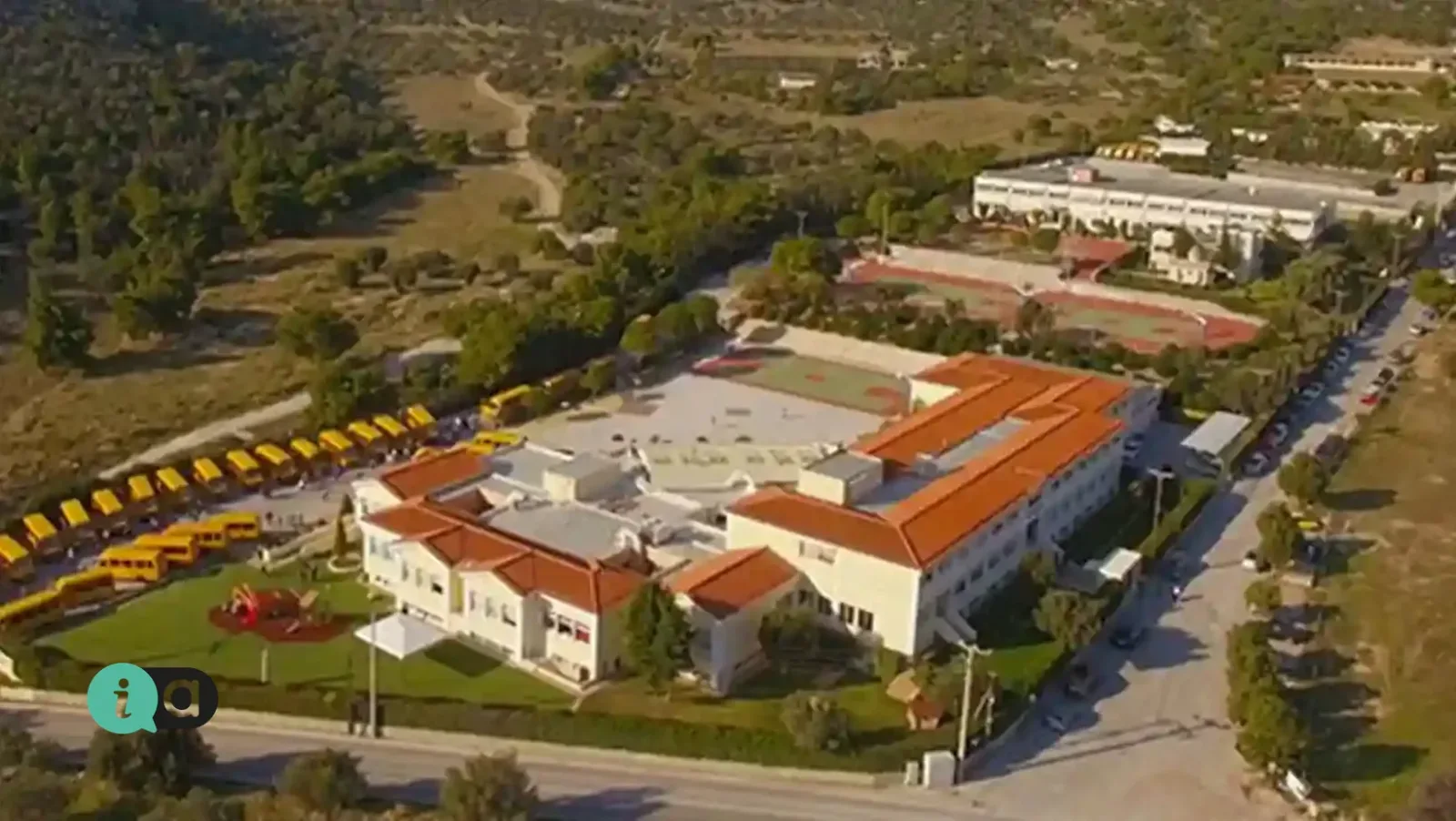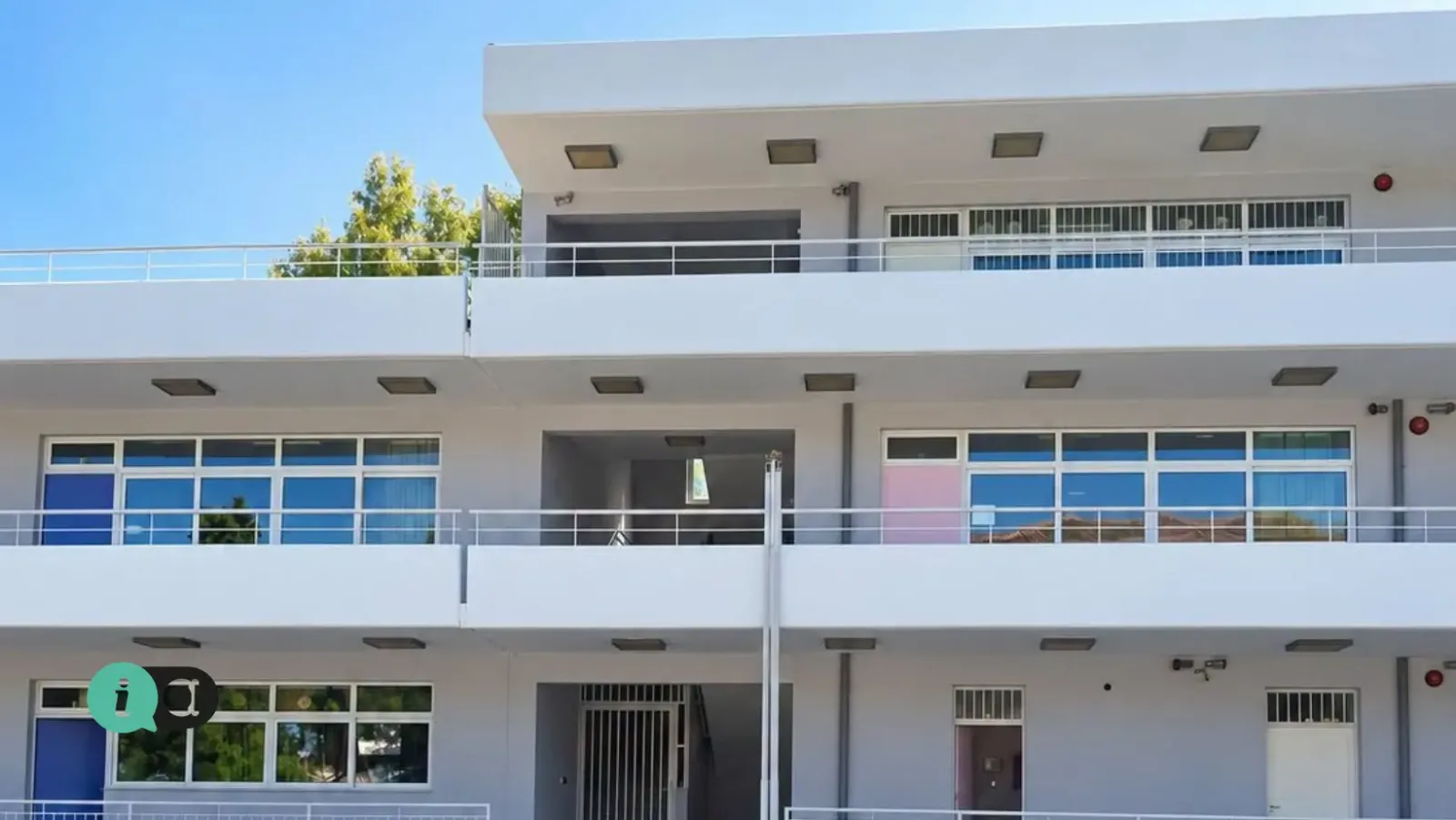
A €507,000 project for the energy refurbishment of Spata Primary School No. 1 has been included in the ‘Attica 2021–2027’ programme. The decision to include the project was signed on Monday 15 September by the Regional Governor of Attica, Nikos Hardalias, with co-financed public expenditure of 390,000 euros from the European Regional Development Fund.
The project involves external thermal insulation of the building, new heating and cooling units using heat pumps and VRF technology, the replacement of lighting with LED bulbs, the installation of an energy consumption monitoring system and a photovoltaic system. According to the announcement, the aim is to reduce energy consumption and carbon dioxide emissions and to improve operating conditions for pupils and teachers.
What does this mean in practice in the classroom?
VRF technology is not merely a technical specification. It means that cooling and heating are controlled on a room-by-room basis, rather than by a central boiler that is switched on for the entire building. In practice, this applies to the two periods when the school year coincides with extreme temperatures: the first fortnight of September and the exam period in June, when classrooms become overheated and lessons take place under conditions that no timetable could have anticipated.
The thermal façade and the solar panels have a second beneficiary, namely the Municipality itself: the running costs of school buildings — electricity and heating — are paid for by the School Committee from the municipal grant. Any savings made on utility bills are then available for maintenance work, which is a long-standing request from every school in the municipality.
Take note of the word ‘integration’
Inclusion in a programme is not the same as a construction site. It is the financial and administrative process that enables the organisation to move forward; followed by the tender process, the selection of a contractor, the signing of the contract and then the delivery of the machinery. No timetable for the start of works has been announced, nor is one set out in the decision.
It is in this gap between the decision and the start of construction that school projects in Eastern Attica fall by the wayside. The best-known example is our own: the 4th Artemida Primary School has been housed in a shipping container for fourteen years; the plot for the new building was purchased in 2015, the design documents are due to be submitted on 15 October and funding remains unresolved. In the very same week that a school in Spata has secured half a million euros for thermal insulation and solar panels, a school in Artemida is still waiting for a new building.
Which schools have gone before?
Spata Primary School No. 1 is not the first school in the municipality to be included in an energy efficiency programme. It follows on from Spata Lower Secondary School, Artemida Primary School No. 1 and Artemida Primary School No. 5. This is, in other words, the fourth project of this kind, demonstrating that regional funding for energy-efficiency projects in schools is the approach that works — in contrast to the construction of new buildings, which remains at a standstill.
For the parents of pupils at Spata Primary School No. 1, the practical question for the coming months is this: when will the building work take place, and will it be carried out whilst the children are in school? Projects of this kind are usually scheduled for the school holidays, but no such commitment has been made publicly. iartemida will follow up once the tender notice is published, which will set out the deadlines and budget for each task.
Source: Region of Attica, decision on inclusion in the ‘Attica 2021–2027’ programme, 15 September 2026.