Every plastic bottle and every aluminium drinks can will be sold with a 10- or 15-lept deposit, which the consumer will get back when they return the empty container. The scheme has moved from the planning stage to implementation: the Hellenic Recycling Agency (EOAN) granted a licence to the company DRS Hellas by Decision 240.1 of its board of directors, dated 9 November 2026.
The date from which the deposit will be debited from the fund has not been announced. The company says that, with the licence in place, infrastructure development will begin across the country and that this will be preceded by an information campaign.
How much and for which types of packaging
- 10 minutes for containers up to 0.5 litres
- 15 minutes for containers over 0.5 litres and up to 3 litres
This applies to single-use plastic bottles and metal drinks cans. The deposit is paid at the time of purchase and is refunded in full. To illustrate the scale: a six-pack of 1.5-litre water bottles will have a 90-minute deposit, and six soft drink cans will have a 60-minute deposit. A household that buys two six-packs of water and six cans a week will have €2.40 held in deposit, which is refunded only if the empty containers are returned.
How refunds are processed
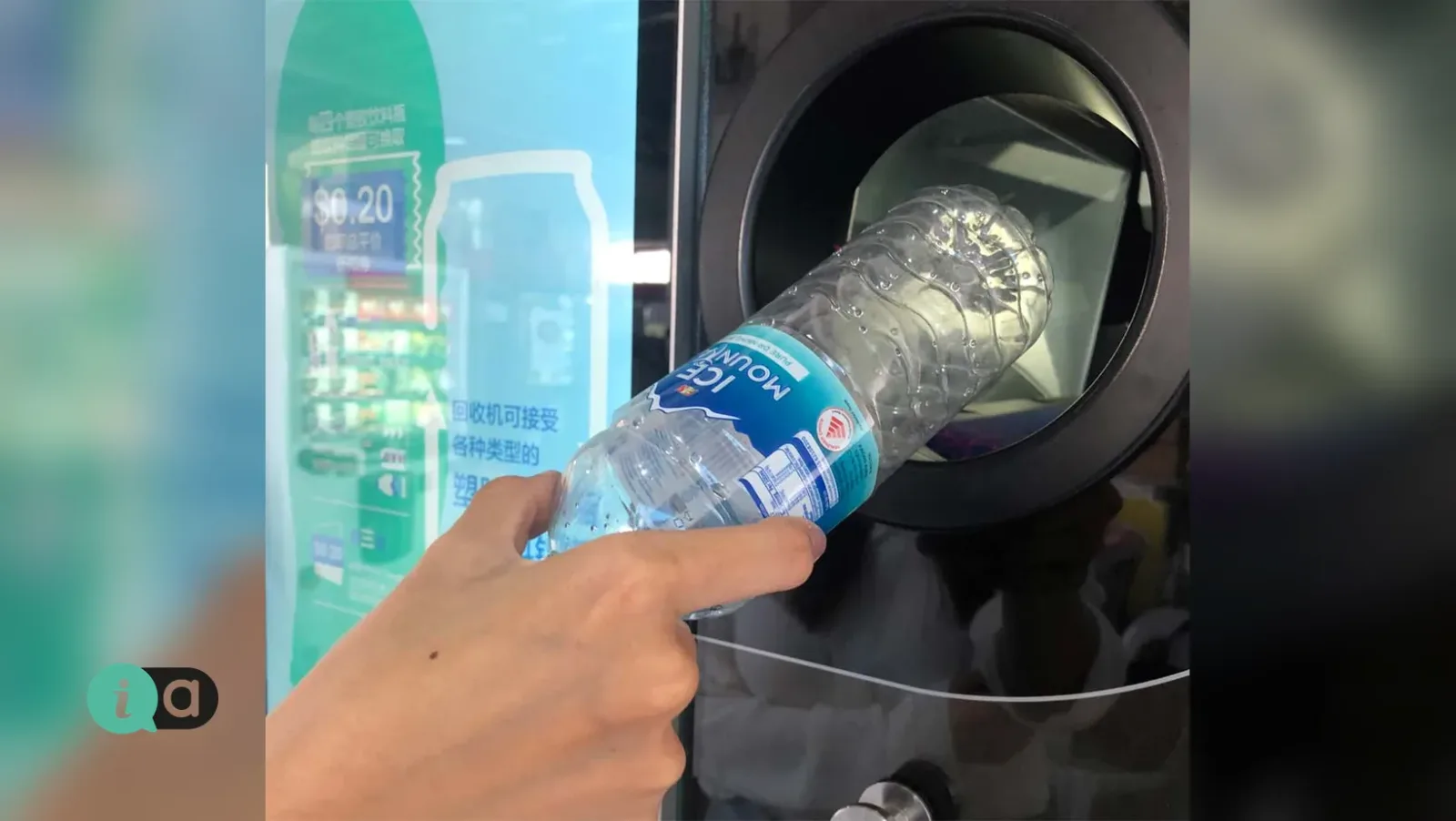
The permits will be distributed at authorised locations: supermarkets, selected retail outlets, public spaces and areas of tourist interest. Delivery will take place either via vending machines or to a member of staff. Consumers will receive a refund voucher, which they can redeem against their purchases. The announcement does not mention cash refunds, nor does it explain whether the voucher is valid only at the shop that issued it.
When the system is launched, 65 per cent of the infrastructure is expected to be operational. Once fully rolled out, by 2027, the network will have 8,700 return points across the country. The aim is for at least 90 per cent of this packaging to be collected separately from 2029 onwards. A similar system is already in operation in 19 European countries.
What does this mean for Artemida and Spata?
The announcement does not provide a list of locations by municipality, so we do not yet know where the machines will be installed in the area. Based on the description, supermarkets are the most likely candidates, whilst the plan states that it takes seasonality and tourism into account – a relevant consideration for a coastal town where consumption of bottled water and soft drinks increases significantly in the summer.
Two practical things are changing. The bottle that currently goes in the blue bin will be worth money, so it will be worth returning it to the collection point rather than putting it in the bin. And, as a general rule, packaging must be returned intact so that it can be read by the machine; this applies in countries that already have the system in place and will be clarified in the guidelines issued by DRS Hellas.
DRS Hellas states that it operates without distributing profits and that its revenue is reinvested in the network. The chair of its board of directors is Maria Anargyrou-Nikolic and the managing director is Michalis Panagiotakis.
Source: DRS Hellas press release regarding EOAN Decision 240.1/9 November 2026, as published in Naftemporiki, 11 November 2026.