The number of cases of West Nile virus infection in the Municipality of Spata–Artemida has risen to 19, according to the latest weekly epidemiological surveillance report from the Hellenic Public Health Organisation (EODY), with data up to 2 September 2026. Last week the figure stood at 17, meaning there have been two new cases in seven days.
Our municipality ranks first in terms of the absolute number of cases across the whole of Eastern Attica.
17 of the 19 cases with neurological symptoms
The picture is particularly grim: of the 19 cases in total, 17 presented with symptoms affecting the central nervous system — that is, encephalitis or meningitis. Only two were recorded without such symptoms.
Last week, there were 15 serious cases. Both new cases, therefore, fall into the severe category.
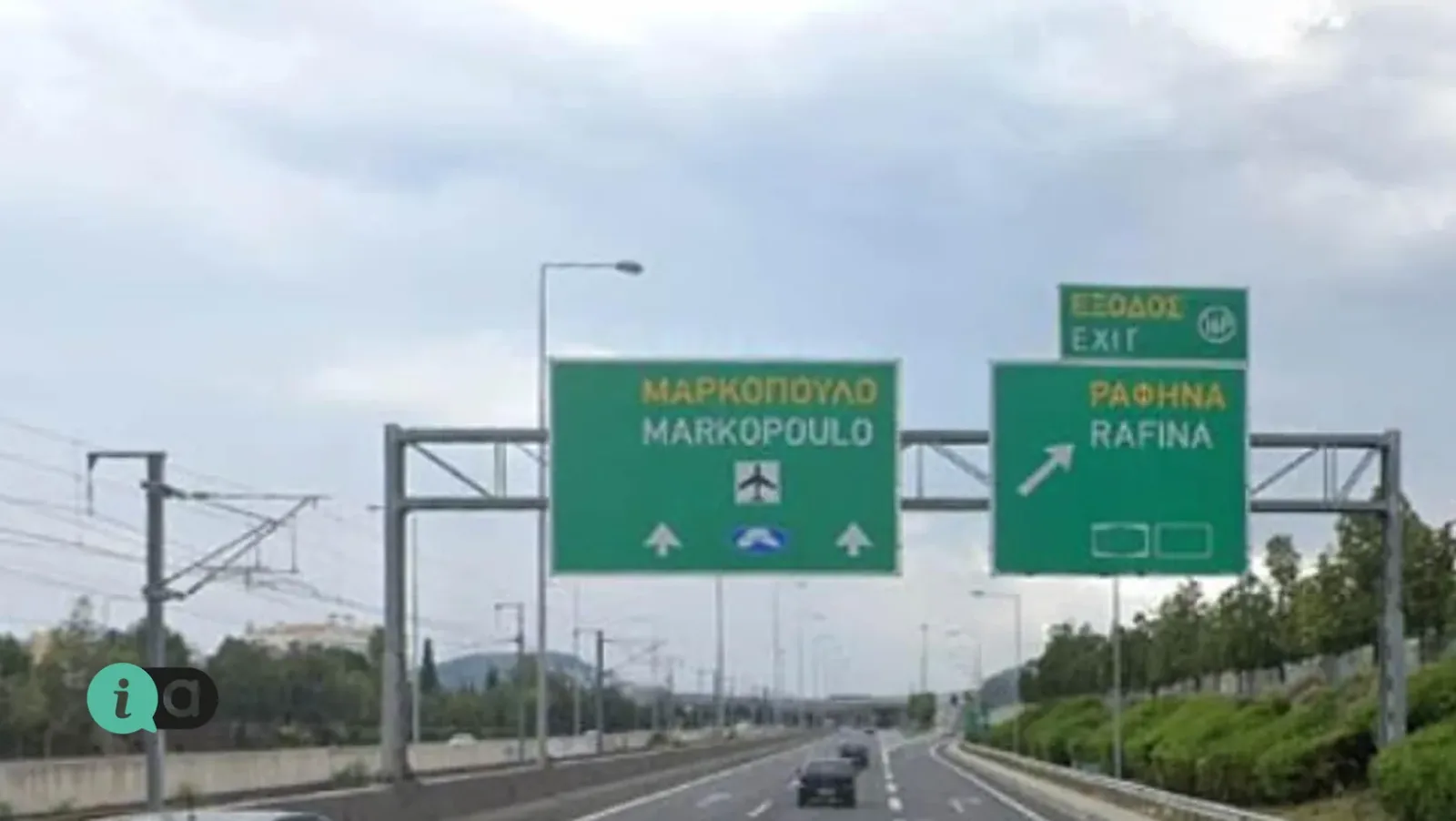
A comparison with Markopoulo
Second in the region is the Municipality of Markopoulo Mesogaias, with 14 cases. In terms of population ratio, however, Markopoulo has a slightly higher rate: 50.6 cases per 100,000 inhabitants, compared with 48.7 for Spata and Artemida.
In other words, the two neighbouring Mediterranean regions are both at the centre of this year’s surge.
The national picture: 290 cases, 24 deaths
Nationwide, 290 domestic cases have been recorded since the start of the surveillance period up to 2 September. Of these, 199 presented with central nervous system symptoms, whilst 91 had mild symptoms or none at all.
In the last week alone, 58 new cases were reported and 5 new deaths were recorded. The total number of deaths for 2026 has reached 24. All those who died were over 65 years old, with a median age of 83.
2026 is already being described as one of the most challenging years for the West Nile virus in Greece, whilst experts estimate that the upward trend will continue at least until the end of September.
Mosquito control at the Artemida Salt Marsh on Tuesday
On Tuesday 8 September, the Region of Attica is carrying out mosquito control operations in the Artemida Salt Flats area, as part of the 17th round of operations.
It should be noted that the relevant announcement does not specify the exact time of the works, the specific locations where they will take place, or the formulation to be used.
What does EODY recommend?
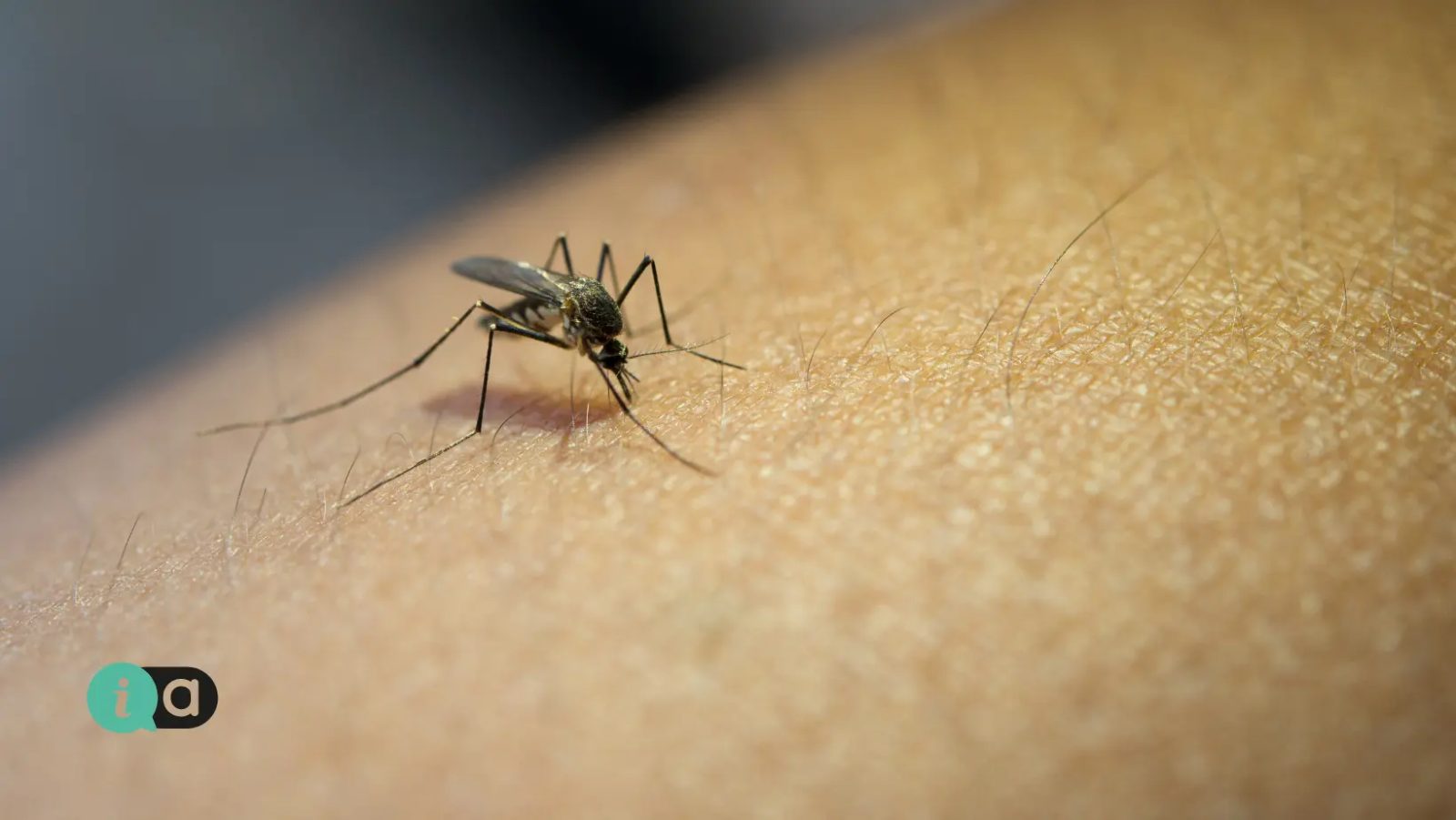
The virus is transmitted through the bite of infected mosquitoes, which become infected from birds. It is not transmitted from person to person.
Around 80 per cent of those infected do not show any symptoms. When symptoms do appear, this usually happens 2 to 7 days after the bite. Fewer than 1 per cent of those infected develop a serious neurological condition.
The personal protective measures recommended by EODY:
- Use of approved personal and environmental insect repellents, in accordance with the instructions for use
- Window screens and mosquito nets
- Use of air conditioning or a fan
- Clothing that covers as much of the body as possible — long sleeves and long trousers, preferably light-coloured and loose-fitting
- Do not leave any standing water anywhere, to minimise breeding sites
Particular caution is advised for the elderly, immunocompromised individuals and those with chronic underlying conditions, as they are at greater risk of developing a severe form of the illness.
---
Sources: EODY, weekly epidemiological surveillance report (2 September 2026) · Region of Attica · Municipality of Spata–Artemida