For the second week running, the National Public Health Organisation (EODY) has not recorded any new cases of West Nile virus with the Municipality of Spata–Artemida as the place of exposure. In the weekly report published on Thursday 8 October, the municipality has 21 cases, the same number as in the reports of 24 September and 1 October. Nineteen of these involved central nervous system involvement, namely encephalitis, meningitis or paralysis. The other two had mild or no neurological symptoms.
However, the virus is still circulating amongst us. Over the past week, Pallini, Paiania and Kropia have each reported one serious case. At the end of September, another case was reported in Markopoulo.
Second in the country in terms of incidence
With 54.4 serious cases per 100,000 inhabitants, the Municipality of Spata–Artemida has a rate twenty times higher than the national average, which stands at 2.7. In mid-September, it ranked first in the whole of Greece, as we had reported. Markopoulo in Mesogaia is now in first place, with 12 serious cases and an incidence rate of 55.2. In terms of the absolute number of serious cases, only the Municipality of Larissa has more, with 20 compared to 19.
In the rest of Eastern Attica, Vary–Voula–Vouliagmeni has 12 serious incidents, Pallini 9, Marathon 6, Kropia 5, Paiania 3 and Rafina–Pikermi 2. The National Public Health Organisation (EODY) has also recorded 15 cases of infection in horses, across ten outbreaks in six regions of the country, including Eastern Attica. The cases in horses indicate that the virus is still circulating in the region.
The EODY table records the municipality where the patient is believed to have been infected, which is not necessarily their place of residence. EODY also points out that the diagnosis and reporting of a case take place several days after the first symptoms appear. For this reason, further cases from the most recent weeks are expected to be added in subsequent reports. Two weeks without a new case do not mean that the danger has passed.
443 cases and 47 deaths in the country
Nationwide, 443 domestic cases have been reported between the end of June and 8 October, of which 282 involved neurological symptoms. Twenty new cases were recorded last week, whilst 27 were recorded the week before. The death toll has reached 47, all in people aged over 52, with a median age of 82. Currently, 38 patients are being treated in hospital, 15 of whom are in intensive care, and 322 have been discharged. The National Public Health Organisation (EODY) does not publish death figures by municipality.
According to the National Public Health Organisation (EODY), for every serious case there are approximately 140 infections with mild symptoms or no symptoms at all, according to a 2010 study. Based on this ratio, the 19 serious cases in the municipality correspond to approximately 2,600 infections, most of which went unnoticed.
What do we do when it’s hot?
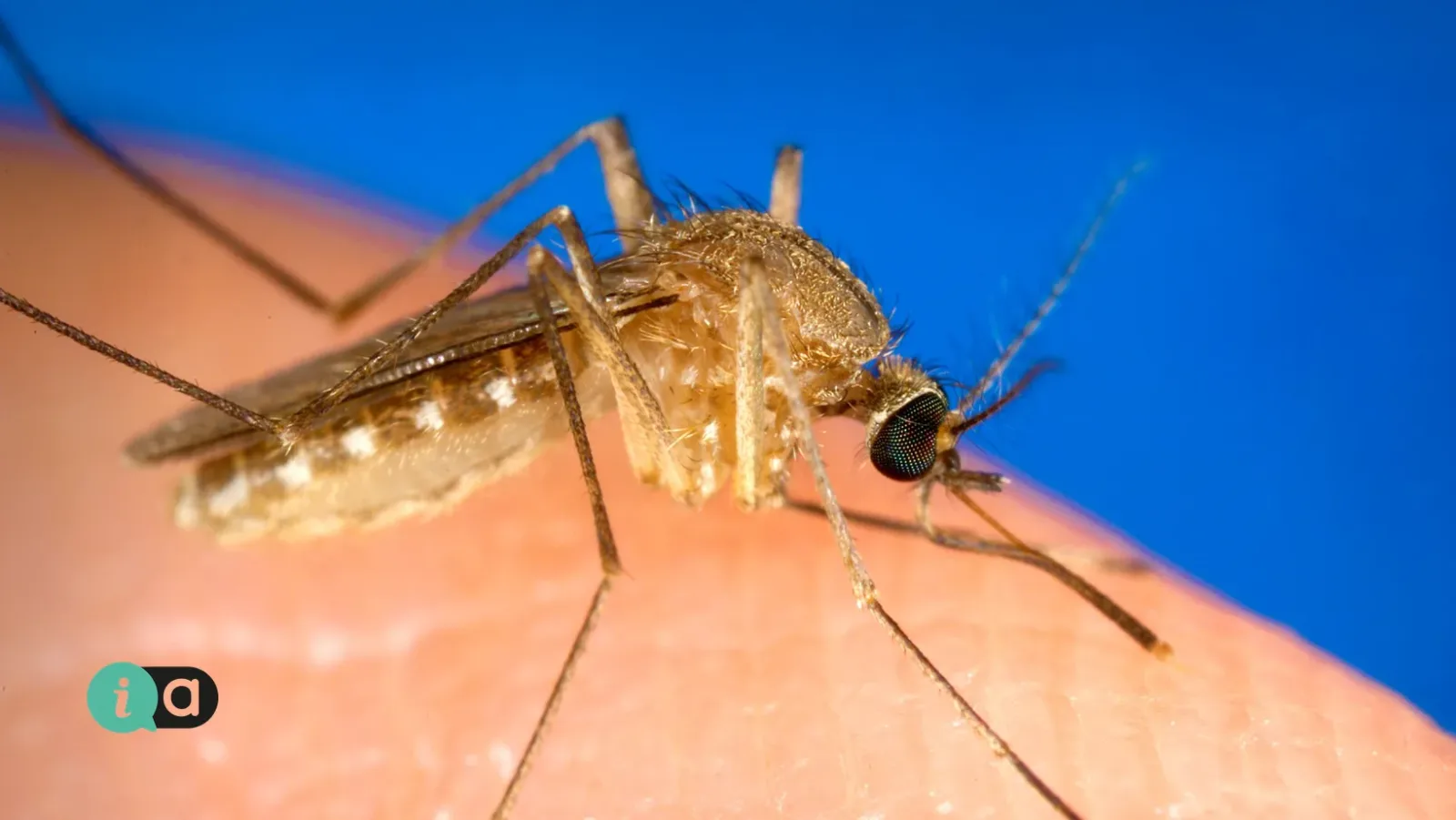
The mosquitoes that transmit the virus remain active whilst the weather is warm. The advice remains the same: apply insect repellent to exposed skin, wear long sleeves at dusk and in the evening, fit mosquito nets to windows, and ensure there is no standing water in plant pots, buckets or gutters. Those aged over 50 and those with chronic illnesses are at greater risk of serious illness. A fever accompanied by a severe headache, confusion or weakness is a reason to see a doctor without delay.
Source: EODY, weekly epidemiological surveillance report on West Nile virus infection, 8 October 2026; compared with the reports of 24 September and 1 October 2026.