On Friday 30 October, the Municipality of Spata–Artemida posted an announcement regarding the West Nile virus with the following message: the season is not yet over. The municipality “is considered to be an area with a high number of local cases”, the announcement states, and although cases have fallen significantly in recent weeks, “further cases are expected to be recorded even in November”. It therefore calls for preventive measures to continue at home and has attached the leaflets from the National Public Health Organisation (EODY).
What the figures show
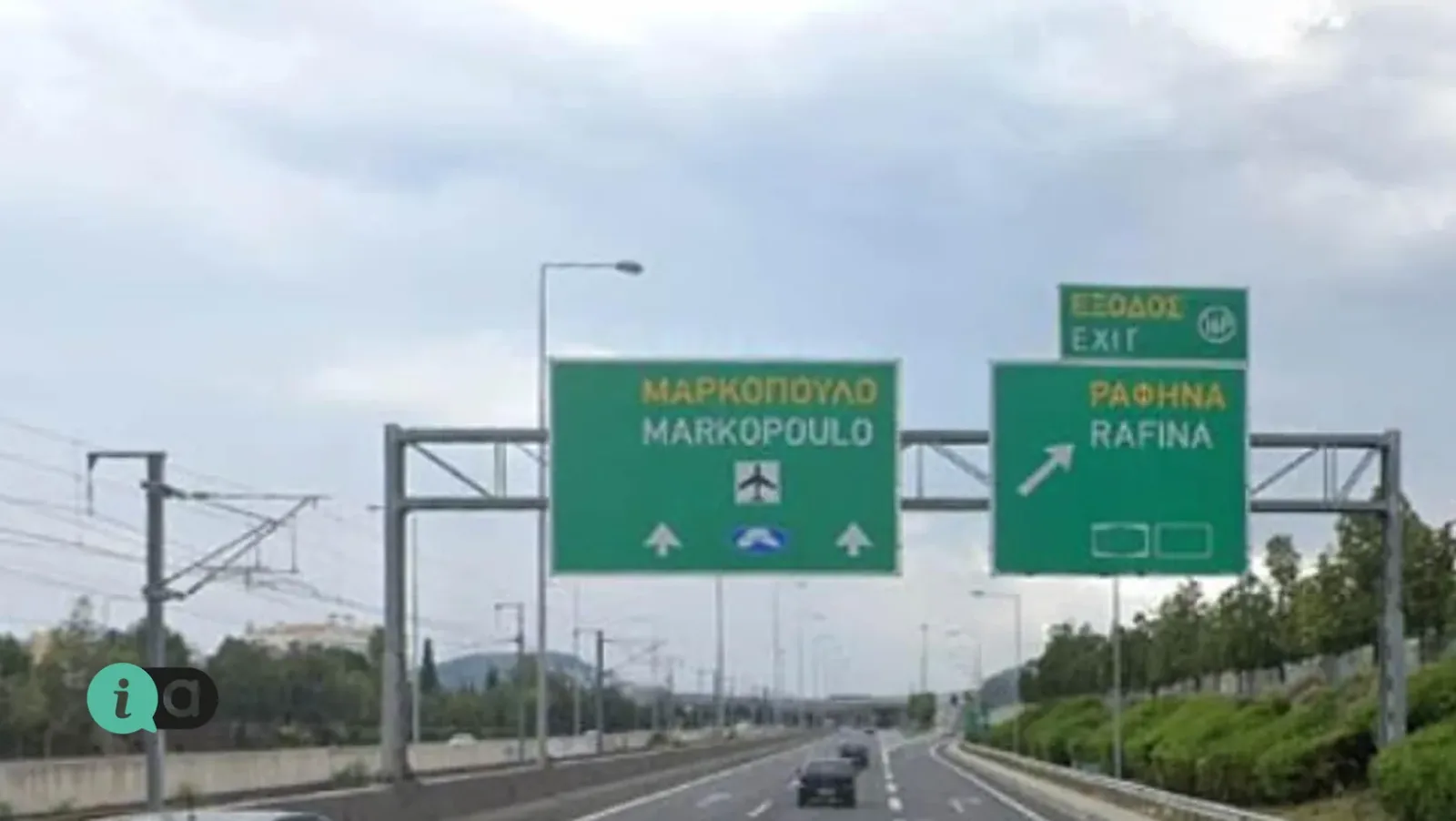
In the EODY’s weekly report of Thursday 29 October, the Municipality of Spata–Artemida has 21 cases where the municipality is the estimated place of exposure: 19 involving the central nervous system, i.e. encephalitis, meningitis or paralysis, and 2 with mild or no such symptoms. The figure has not changed since the report of 24 September, five weeks ago. With 54.4 severe cases per 100,000 inhabitants, the municipality remains second in the country in terms of incidence, behind Markopoulo with 55.2, as was also the case in early October.
Across Greece, 457 domestic cases have been reported since the start of the period, 287 of which involved neurological symptoms. Four more were reported last week. The death toll has reached 51, all in people over the age of 35, with a median age of 82. In the rest of Eastern Attica, Vari–Voula–Vouliagmeni and Markopoulo have 12 serious cases each, Pallini 9, Marathon 6 and Kropia 5.
EODY records the municipality where the patient is believed to have become infected, which is not necessarily their place of residence. As diagnosis and reporting take place several days after the first symptoms appear, the most recent weeks may be included in subsequent reports.
Why still in November?
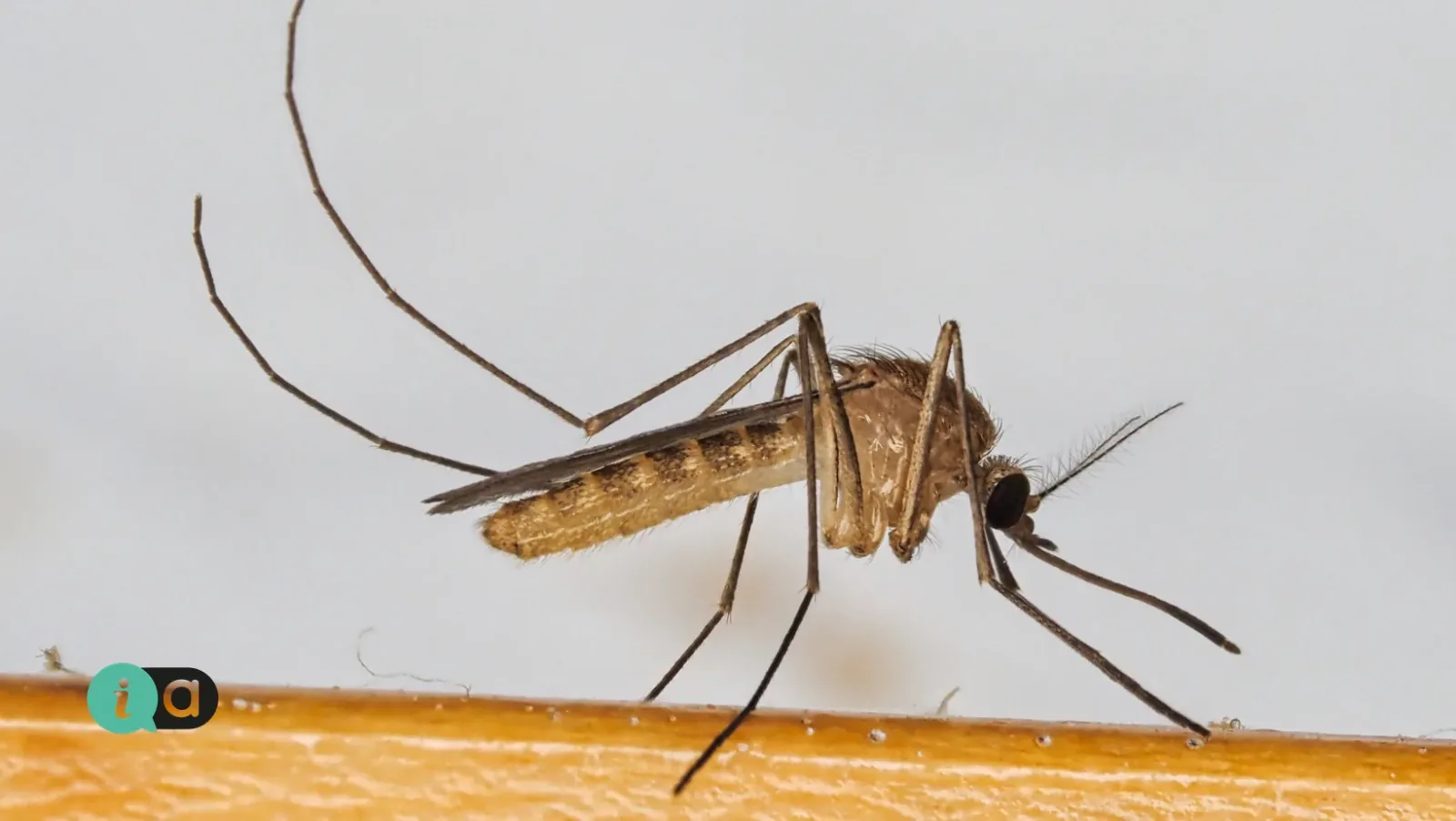
The mosquitoes that carry the virus do not disappear at the first sign of a cold snap. As long as temperatures remain mild, they continue to bite, mainly at dusk and at night, and lay their eggs in any stagnant water they can find. The October rains left such water in courtyards, drains and fields.
What do you get up to at home?
The EODY’s key guidelines for protection against mosquitoes:
- Empty anything that holds water every week: plant pot saucers, buckets, old tyres, toys in the garden, and gutters that do not drain properly.
- Cover water tanks and barrels.
- Fit fly screens to windows and, in the bedroom, use insect repellent devices, a fan or air conditioning.
- When you go out at dusk, wear long clothing and apply insect repellent to your skin, following the instructions on the packaging.
Most people who become infected have no symptoms at all, or experience a fever, headache and flu-like aches and pains. Fewer than 1 in 100 develop a severe form of the disease. As emphasised by the Hellenic Public Health Organisation (EODY), those most at risk are the elderly, people with a weakened immune system and those with underlying chronic conditions. A high fever accompanied by a severe headache, confusion, a stiff neck or weakness in the arms and legs is a reason to see a doctor immediately.
Source: Municipality of Spata–Artemida, press release ‘West Nile Virus Infection’, 30 October 2026; Hellenic Organisation for Public Health (EODY), weekly epidemiological surveillance report on West Nile virus infection, 29 October 2026.