E-sports have been recognised in Greek legislation since 2022. Law 4908/2022, published in the Government Gazette A’ 52 on 11 March 2022, devotes an entire section – Articles 28 to 35 – to e-sports: it defines what e-sports is, who is considered an athlete, and how a club obtains special sporting recognition to promote the sport. This is neither an announcement nor a draft bill; it has been in force for four years now.
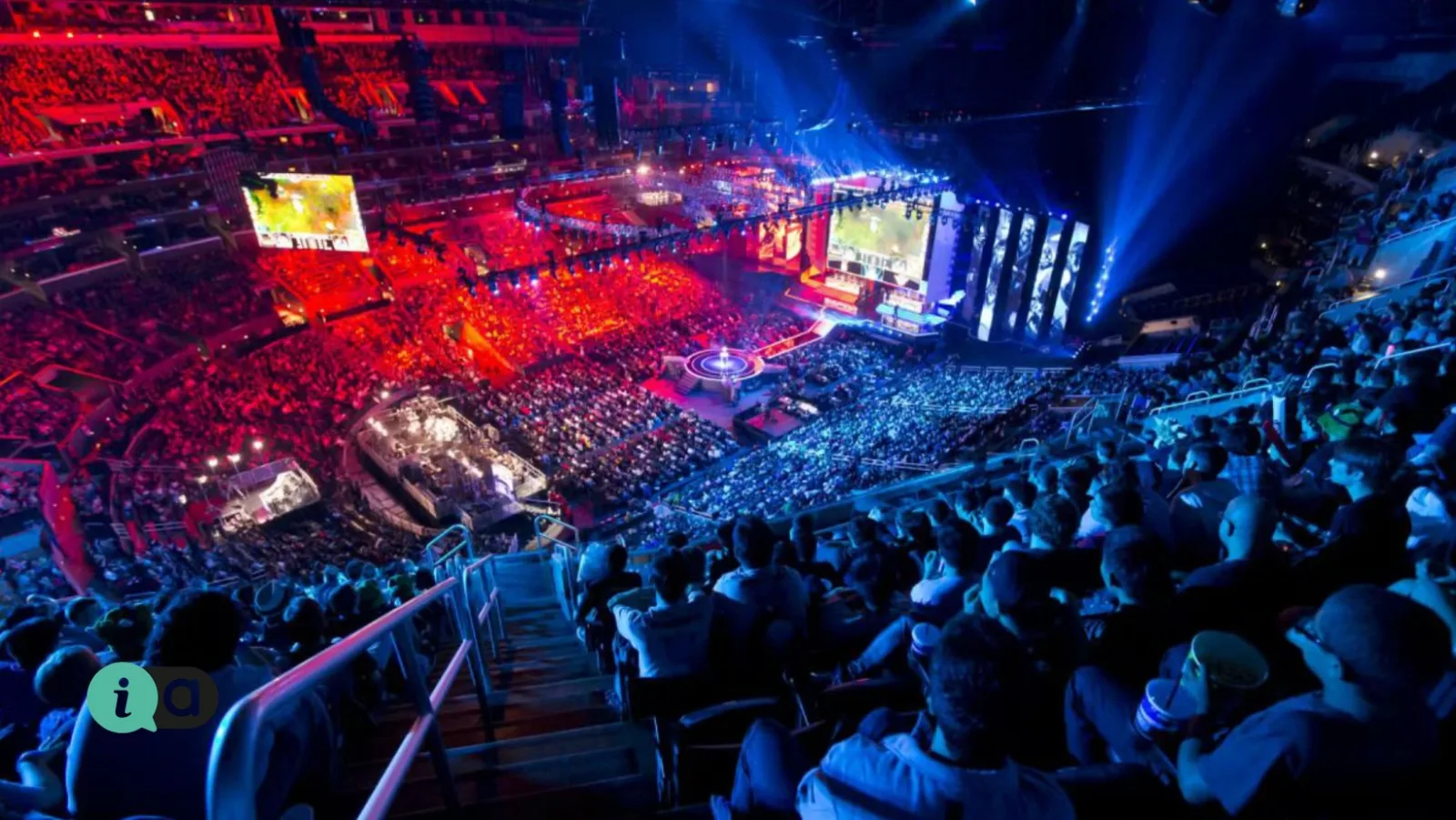
Article 30(1) defines e-sports as a form of amateur competitive sport on the internet, in which players train and compete individually or in teams via electronic systems, take part in organised events with spectators and strive for peak performance in order to win prizes. Article 31(1) defines an esports athlete as a natural person who participates, either alone or as a member of a team, in training sessions, matches and competitions.
However, it is paragraph 2 of Article 30 that changes the whole picture, and it is the least well-known. Only those with purely sporting content are recognised as e-sports, that is, they are digital representations of well-known sports — the law cites, by way of example, football, tennis, martial arts, motor racing and basketball — which are already governed by recognised sports federations.
Put simply: a football, basketball or motor racing game meets the legal definition. A survival, shooting or strategy game — in other words, exactly what the vast majority of teenagers play today — does not meet it. Greek legislation on e-sports does not cover the gaming that is actually played at home, but only a narrow segment of it.
As regards how a trade union is recognised, Article 33(1) refers to the procedure set out in Article 8 of Law 2725/1999, the framework law on amateur and professional sport. In other words, a sports club wishing to promote e-sports follows the same procedure as a volleyball or athletics club: an application for special sporting recognition to the General Secretariat for Sport. To establish a federation, Article 32(2) requires resolutions from the boards of directors of at least twenty clubs.
The Hellenic Federation of e-Sports is already operating within this framework. Its Code of Conduct was reviewed and approved as to its legality by a decision of the competent Deputy Minister of Education, Religious Affairs and Sport, which was published on the ‘Diafania’ transparency portal on 9 July 2024, following a review by the General Secretariat for Sport and after the federation had brought the text into line with the service’s recommendations. Compliance with the regulations is mandatory for clubs belonging to the federation.
There is also the section of the register that applies to every sports club, regardless of the sport. Under Ministerial Decision GGA/7219/2026, published in the Government Gazette (Series B) No. 1696 on 27 March 2026, applications for registration in the electronic register of sports clubs were to be submitted via the e-Kouros platform by 15 September 2026, whilst corrected resubmissions are permitted until 15 November 2026, with a limit of six attempts. A club not listed in the register may not enter athletes in competitive events.
There is already a Greek precedent for combining traditional sport with e-sports. In February 2024, an e-sports academy was set up within a football academy in Palaio Faliro, featuring weekly online training sessions in the afternoons and hybrid activities on Saturdays, following the morning football training session.
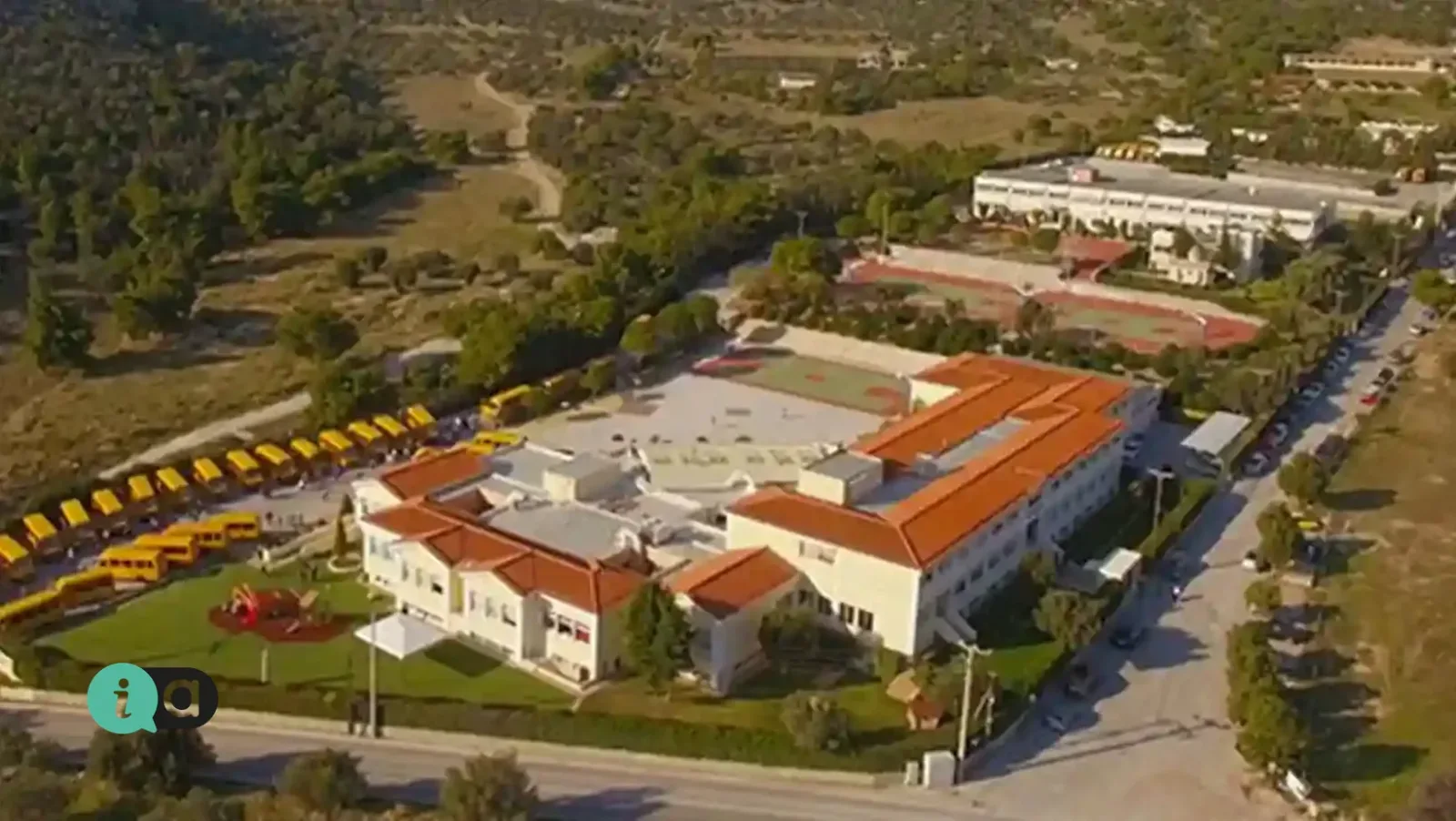
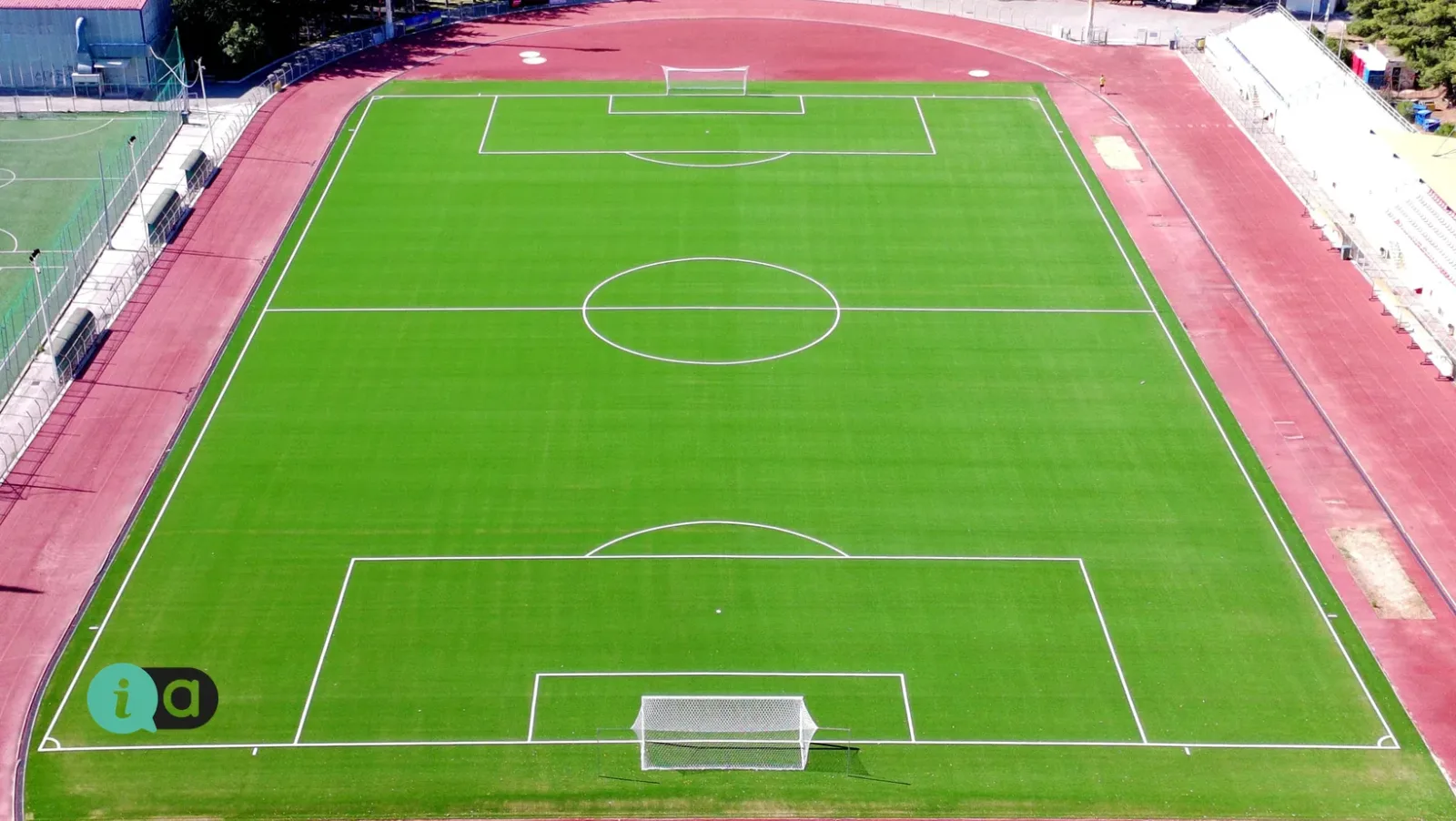
Artemida has the necessary club infrastructure in place. A.O. Artemis, founded in 1960 and based at 203 Artemida Avenue, runs football academies from the U7 to U19 age groups, as well as a men’s team. There are also martial arts clubs, whilst the Spata-Artemida Municipal Sports Organisation manages municipal facilities, including the Artemida Municipal Gymnasium at 21 Antheon Street.
In practical terms, what would such a section require: a hall with a stable internet connection and equipment, a coach, provision for the sport in the club’s articles of association, and an application for recognition from the General Secretariat for Sport. None of this is merely theoretical, and one of the games covered by the law — the digital version of football — is already the sport promoted by the region’s largest club.
For a parent, the information is simpler than it seems. If a child plays football or racing games on a screen, there is a legitimate path towards joining an organised club, having a coach and taking part in official matches. If they play anything else, that route simply does not yet exist in Greece — and it is best to know this before anyone promises them a career.
Source: Law 4908/2022, Government Gazette A’ 52/11 March 2022, Articles 28–35. Law 2725/1999, Article 8. Decision of the Deputy Minister of Education, Religious Affairs and Sport on the review of the legality of the Code of Ethics of the Hellenic Olympic and Sports Committee (EOSC), General Secretariat for Sport, 9 July 2024. Ministerial Decision GGA/7219/2026, Government Gazette Series B No. 1696 of 27 March 2026.